
Understanding Dental X-Ray Safety: Protecting Your Health
Introduction:
Dental X-rays play a crucial role in diagnosing oral health issues that are not visible during a regular dental exam. However, concerns about radiation exposure often arise among patients. In this blog post, we’ll explore the safety aspects of dental X-rays, how they benefit your oral health, and what measures are in place to ensure your safety during the procedure.
Why are Dental X-Rays Necessary?
Dental X-rays provide valuable insights that help dentists:
- Detect cavities: X-rays can reveal cavities between teeth or under existing fillings.
- Monitor Bone Health: They show bone loss from gum disease and assess the bone structure before procedures like implants.
- Diagnose Conditions: X-rays can identify infections, cysts, tumors, and developmental abnormalities.
Understanding Radiation in Dental X-rays:
- Low radiation Levels: Dental X-rays emit low levels of radiation, especially with modern digital X-ray equipment.
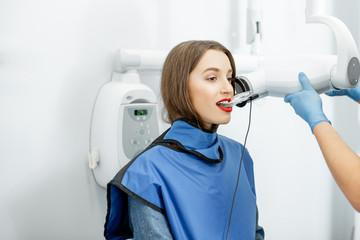
- Minimized Exposure: Dentists use lead aprons and thyroid collars to shield parts of your body not involved in the X-ray.
- Fast Speed: X-ray machines are designed to minimize exposure time to reduce radiation exposure further.
- Safety Measures During Dental X-rays:
- Lead Aprons and Thyroid Collars: These protective shields prevent unnecessary radiation exposure to vital organs.
- Digital X-Rays: They reduce radiation by up to 80% compared to traditional film X-rays and provide clearer images for diagnosis.
- Pregnancy and X-Rays: Dentists avoid X-rays during pregnancy unless absolutely necessary, with extra precautions if an X-ray is unavoidable.
Patient responsibilities:
- Informing Your Dentist: Provide your dentist with a complete medical history, including any pregnancy or recent X-rays.
- Follow-Up: Attend regular dental check-ups as recommended by your dentist, allowing for timely detection of oral health issues.
Conclusion:
Dental X-rays are a safe and essential tool for maintaining oral health, providing valuable diagnostic information to dentists. Modern technology and strict safety protocols ensure that radiation exposure during dental X-rays in minimal. By understanding these safety measures and benefits, patients can feel confident in the role of X-rays in their dental care.